
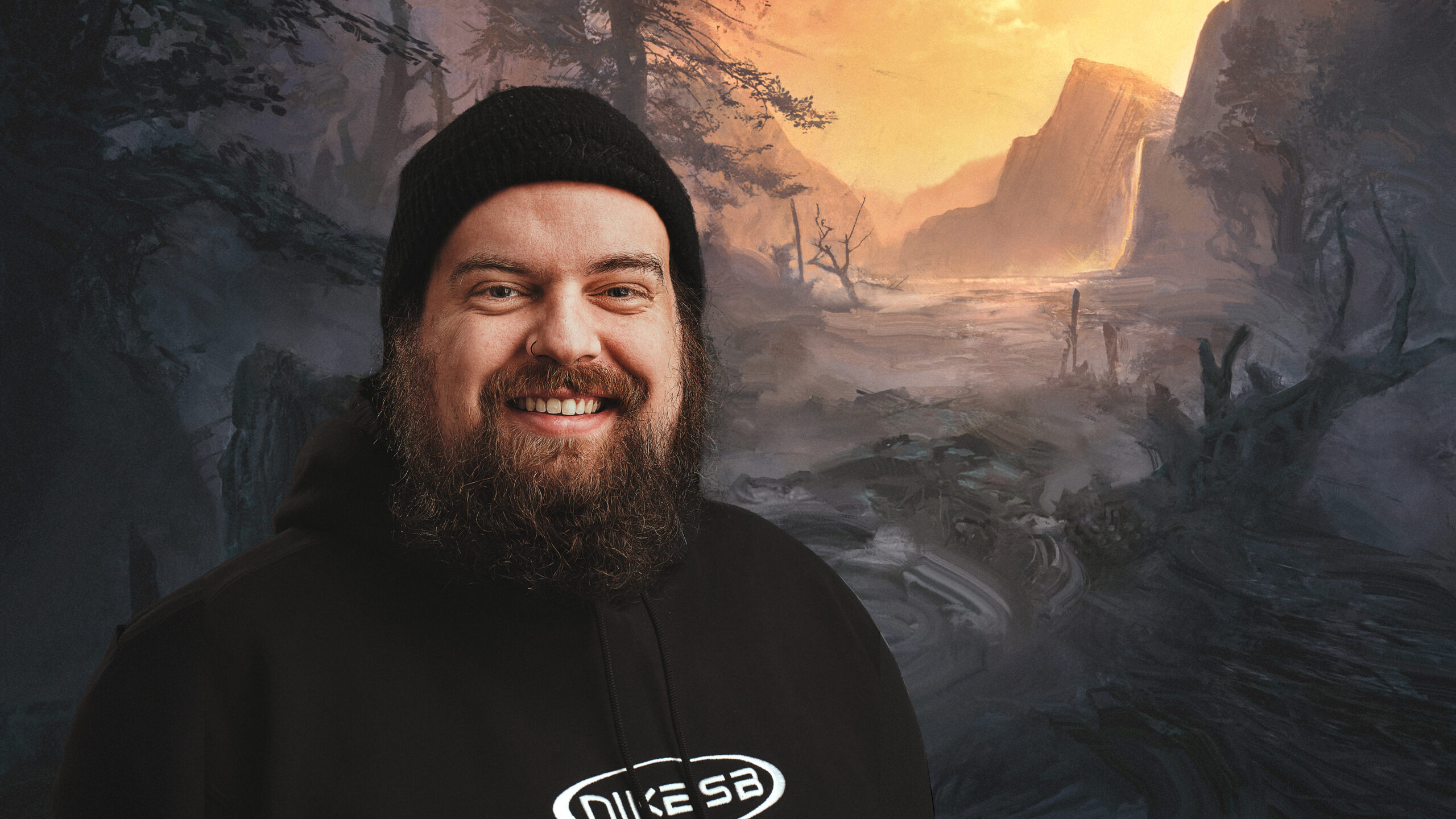

Today, we sit down with Cyril, the co-designer of Werewolf: The Apocalypse — RETALIATION.
We’re diving into his unique perspective and the crucial role he played in reshaping the game. Thanks to his vision and attention to detail, RETALIATION has evolved into something far beyond what we originally imagined. Let’s see what he has to say — in just 10 questions!
QUESTION 1
Cyril, you joined the Werewolf: The Apocalypse — Retaliation project partway through. What struck you the most when you first dove into the files?
What struck me most was the scale and ambition of the project. Once I got into the game, I proposed adjustments to several systems and mechanics — I had a few reservations, especially regarding the game’s flow, the clarity of its mechanics, the identity of each form, and the strategic depth of the combat.
The goal behind these changes was simple: to simplify certain aspects so players could easily understand and navigate the game environment, while enriching the dynamic between systems to make the gameplay deeper and more engaging. In short, the idea was to give players simple tools while offering them more freedom to approach situations creatively.
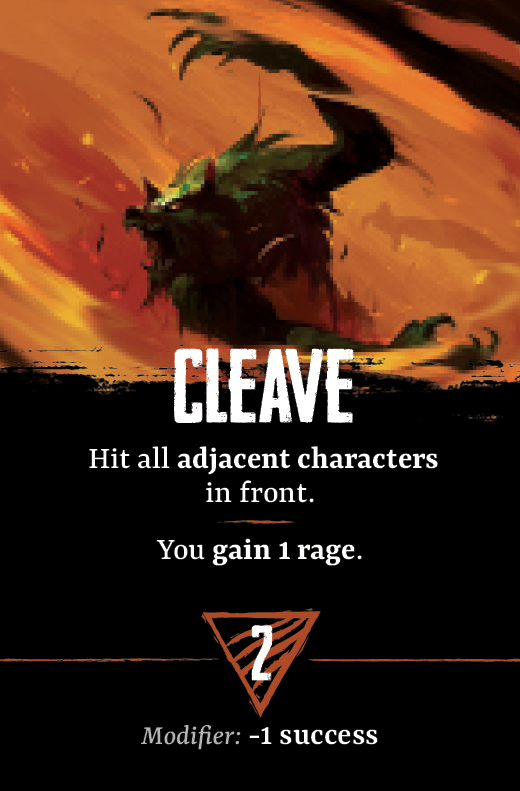
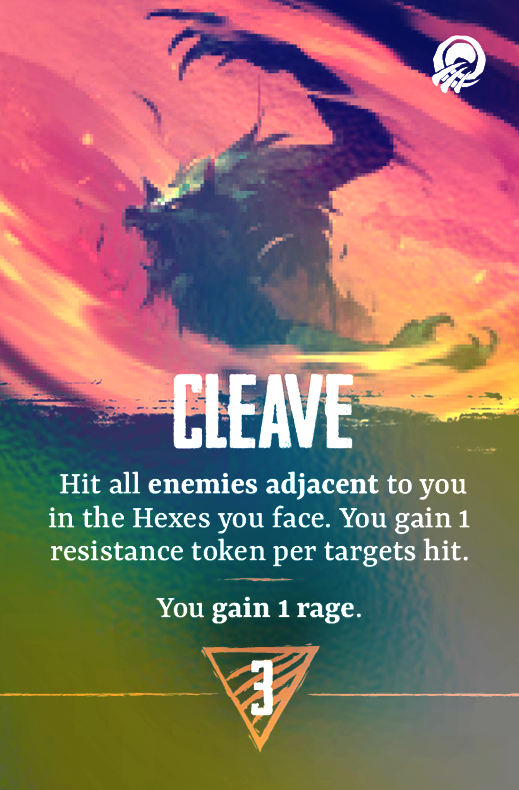
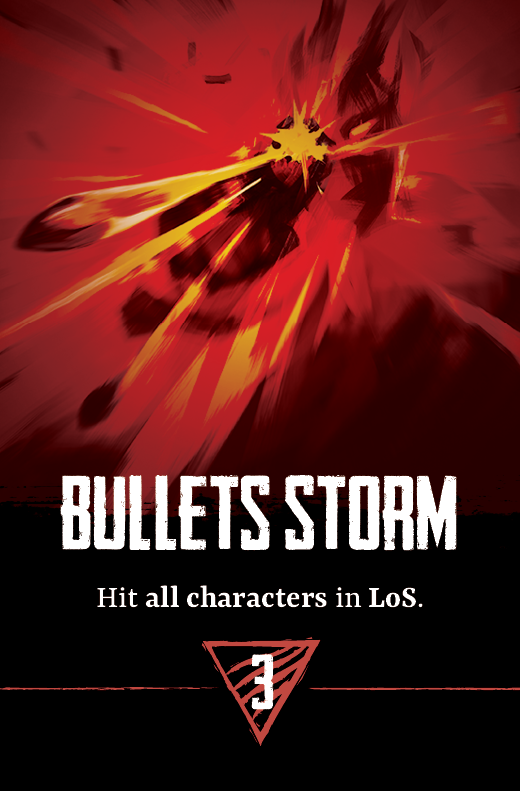
For example, in combat, we made the effects of cards much more distinct. Players will now be able to use their skills quickly without constantly checking the cards, since each one has a strong, memorable identity.
QUESTION 2
The game has experienced delays, which is understandably frustrating for both the studio and players. In your view, what were the main causes of the delay?
Two major factors played a role.
First, the overhaul of the mechanics took several months. Beyond reworking the systems themselves, we had to revise every scenario to make sure the new mechanics fit seamlessly. We also spent a lot of time refining the narrative branches and improving the combat design to make it more fun and engaging.
Second, the work on Chapters: Definitive Edition took far longer than expected. What was initially planned as a 2–3 month project turned into a full year. The original timeline made sense for the initial scope: integrating the game into our new editing software, fixing errata, and building the mobile app.
However, once we discovered several previously undetected bugs, I requested permission to go through the entire game again to deliver the most polished version possible. That massive effort added nearly a year to the timeline.
QUESTION 3
Since you’ve taken over the design, what would you say are the most significant improvements to the project? Could you give us a few concrete examples?
While I’d instinctively mention combat, since we’ve already talked about it a lot, I’d like to highlight another key aspect: UX (user experience).
With a game this rich, it’s a real challenge not to overwhelm the player. There were so many elements to track that even the design team — despite their deep knowledge of the game — would regularly forget mechanics during play. That was pretty telling.
So we kept refining the UX and have reached a point where the result is truly satisfying. Our goal was to constantly support the player, so they can focus on the gameplay itself.
Here are a few examples:
- Effect cards used to have durations like “Discard after use or at the end of the next scenario.” Now, all effect cards are automatically discarded at the end of a chapter, with reminders on every conclusion page. So even if weeks pass between sessions, players know exactly what to discard.
- In scenarios, instructions like “If you’re spotted, read page XX” or “If the round tracker hits 0, go to page XX” forced players to take notes or remember where they were. Now, all such consequences are grouped into a dedicated “Outcome” section at the end of each booklet — listing all trigger-based actions and their effects.
- State Cards (enemy or NPC cards) previously scaled with player count. We removed that — cards are now much cleaner and easier to read, and the same applies to many other elements.
- The number of instructions like “TAKE THE XX EFFECT CARD” has been reduced by almost 90%. That may seem like fewer options, but it actually improves clarity and preserves variety while reducing confusion.
- The Player’s Guide now contains everything you need to build and evolve your character, while the rulebook focuses only on gameplay systems. There’s also an appendix that clearly defines every combat card, gift, and certain key items — this avoids the confusion we sometimes saw with Chapters.
- We also logically split interactive elements. Initially, only Action Tokens existed. Now, we differentiate between Action, Event, Door, Spawner, etc. It adds a few components to the box, but it makes everything more intuitive for players.
- We created Journey Cards for long-term effects that persist across scenarios. Unlike Effect Cards, these are never discarded — making long-term consequences easier to track.
- Finally, the number of narrative choices and actions has been increased, while the texts have been shortened or better distributed. There were too many long sections with no interaction. We worked closely with the writers to improve this pacing.
Video:
A few months ago, we released a video interview with Cyril, where we dive into the major changes we made to the game. The video is in French, but includes English subtitles.
There are many more examples, both big and small — but overall, these changes make the game much more fluid and accessible on every level.
QUESTION 4
In this type of game, the story is central. How would you define a typical Retaliation scenario, and what makes it stand out in the world of narrative dungeon crawlers?
Playing Retaliation is like charging into a porcelain shop with a tank — something’s going to break, and it’s almost always inevitable. The question is: how much can you control the damage?
What makes Retaliation unique is how player choices have a concrete impact throughout the game. Narrative and combat share equal importance, and every decision has short- or long-term consequences that affect the outcome of the campaign.
Even though most scenarios lead to an unavoidable fight, the narrative lets players influence how that combat will unfold.
QUESTION 5
The game blends branching storylines with dungeon-crawler mechanics. How do you ensure narrative choices have real impact and aren’t just flavour?
It’s a collaborative effort between the design team and the writers. The key challenge is finding the right balance: choices must feel meaningful, but we also want to surprise players — without causing frustration.
We use several levers: expected consequences, unexpected consequences, long-term consequences, and sometimes… no consequence at all.
For example: you’re on a stealth mission and face a locked door. You can either shift to Crinos form and smash it open, or stay discreet and try to pick the lock.
Lockpicking seems like the stealthy route — often it is — but maybe it takes long enough for enemies to detect you and set up an ambush.
On the other hand, smashing the door in Crinos form might crush two enemies who were waiting just behind it — giving you a tactical advantage.
Or… nothing happens. Or nothing yet. Five scenarios later, you might discover that a hidden camera recorded your transformation — and now the local police are on high alert.
That’s our goal: real impact for each choice, mixing surprise with control. Investigations can help uncover the best path — and so far, it’s working. Groups often have real debates around the table about how to handle each situation.
QUESTION 6
Can you tell us about the processes or tools the team uses to improve and validate the design of scenarios and mechanics?
Broadly speaking, we have two dedicated design teams working on the scenarios: one focused on the narrative, the other on combat.
We always begin with a group session to align everyone on the scenario’s stakes and direction. Since the scenarios are already written and being revised, we usually have a clear idea of where we’re going from the start.
It’s crucial for the narrative team to understand what kind of combat the players will face, so they can properly balance skill checks and determine how to address bad decisions.
Conversely, the combat team needs a solid grasp of the narrative stakes to design fights that feel credible and coherent with the story.
Once that shared vision is established, each team focuses on its own area, while syncing up in daily meetings to stay aligned. Communication is constant — unexpected ideas can emerge at any time, and it’s essential that both sides can adapt if needed.
When we reach a version that feels solid, each team runs independent tests of the scenario. We gather feedback, sort and analyze it, propose solutions, then go back into production and test again. This cycle repeats until the scenario is truly locked in.
After that, we run internal playtests with the creative director and other team members. Their feedback helps us make final adjustments before handing the scenario off to the QA team.
At that point, multiple testers dive deep into the content using a variety of character builds to uncover bugs, inconsistencies, or edge cases not covered by the rules.
Only after this thorough process do we consider the scenario ready for public playtests — which we’ll be restarting very soon.
QUESTION 7
Customization plays a big role in Retaliation. How is character customization inspired by RPGs, and how does it enrich the player experience?
The customization system is directly inspired by the TTRPG. The goal wasn’t to reinvent the wheel — that system already works well in many games — but to make it clear and intuitive in a game as dense as Retaliation.
We worked on simplifying the mechanics to avoid overwhelming players. For example, the number of available skills is intentionally limited to stay accessible, and item bonuses are straightforward to prevent excessive math.
Where customization really shines is in the unique roles each player takes within the pack. We’ve made sure the gameplay varies significantly depending on your auspice and tribe, so every player feels like they’re bringing something distinct to the group.
We’ve also balanced XP and trophy gains in such a way that you can’t unlock everything — players must make meaningful choices, prioritizing certain items, abilities, or upgrades based on their playstyle and the group’s needs.
QUESTION 8
RETALIATION doesn’t really have an equivalent on this scale. In your opinion, what makes it stand out compared to other dungeon crawlers or narrative games?
First, the license itself: Retaliation is the only board game based on Werewolf: The Apocalypse, making it a unique experience for fans of the World of Darkness universe. But beyond that, what truly sets it apart is the balance between storytelling and combat. While some dungeon crawlers use narrative as mere window dressing, Retaliation treats it with just as much importance as the combat system.
Conversely, where many narrative games have simple combat mechanics, we’ve chosen to push that aspect much further, delivering memorable tactical encounters. Over time, the game has drifted away from classic dungeon crawler structure to resemble something closer to a CRPG — or even a TTRPG — while still fully grounded in a board game format.
Of course, tabletop and video game RPGs offer freedoms that a board game can’t fully replicate. But that’s the exciting challenge: seeing how much player agency we can preserve within the constraints of the medium. The writers crafted a gripping, choice-driven story, while on the design side, we focused on making the systems clear, deep, and open-ended.
The result? No two playtest groups have tackled the same scenario the same way — some even came up with surprisingly clever solutions to challenges we didn’t anticipate.
In short, Retaliation stands out for the depth of its two core pillars — narrative and combat — and for the freedom it gives players to shape their adventure.
QUESTION 9
Is there a scene, scenario, or moment in the game that you’re particularly proud of?
Absolutely, without hesitation. It’s not something we’re working on right now, but something we finished a while ago: the first boss fight.
It’s a genuinely terrifying moment. The unanimous reaction from everyone who’s playtested it has been: “We’re never going to make it through this.” The previous scenarios are intense, but they give players a real sense of power — enemies are numerous but generally less dangerous than the characters.
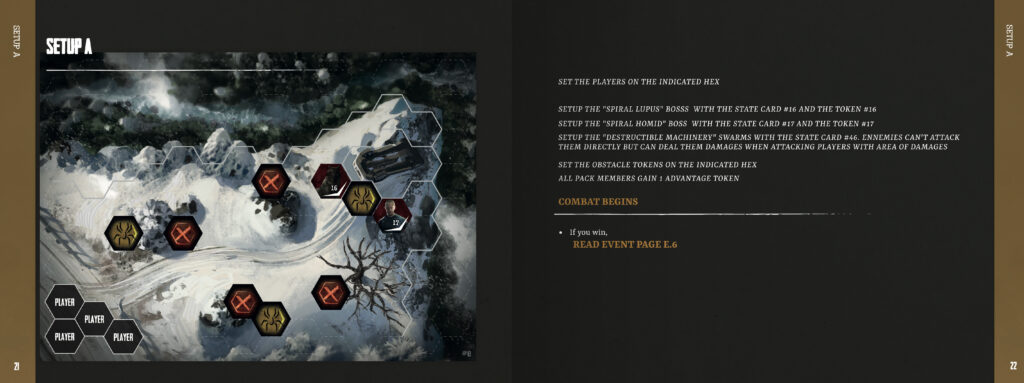
But here? It’s the first time they’re up against something that might be stronger than them. From the very first attack card, the tone is set. I’ve laughed more than once watching new players realize what they were in for. It’s a test of endurance that demands real strategic thinking. No group I’ve seen has felt “safe” until they landed the final blow. The tension stays high from start to finish.
(P.S. — Yes, there’s an easy mode for boss fights, for players more focused on story than challenge. But for everyone else… I can’t wait to hear how your packs fare on Discord. We’ve already set up a “decimated packs” counter here at the studio.)
QUESTION 10
If you had to reassure backers in a single sentence about what RETALIATION will deliver once complete, what would you say?
I work every day with colleagues who are just as meticulous and uncompromising as I am when it comes to delivering a game of real quality. We hear the backers frustration, and we understand the concerns. Some of the messages we receive could be demoralizing — but we know where we’re going, and we believe in what we’re building. That keeps us moving forward.
I truly can’t wait for you to discover the final game. It’s been a long journey — too long, maybe — but I’m convinced it’s for the best. The game should be fun, bug-free, and up to your expectations. We’re doing everything we can to make sure it is.
…And besides, I made a bet with a colleague that there would be zero errata when the game ships — and there’s no way I’m losing that bet ^^
(Okay, that was more than one sentence. Sorry!)
The team is now fully shifting back to working on RETALIATION, and we wanted to keep you in the loop on the foundational progress we’ve made so far. The coming months are going to be exciting, as we head into our second game quarter review.
We hope you enjoy this format — and as always, feel free to share your thoughts, questions, or feedback in the comments below!

Thank youu. 🙏🏻